







Discover proven strategies for LinkedIn for freelancers to thrive in the LinkedIn gig economy of 2026. Learn how to optimize your profile, build trust, network smartly, and attract high-quality freelance clients with actionable tips.
In the ever-expanding digital economy, LinkedIn for freelancers is no longer optional it’s essential for lead generation and sales.
In 2026, freelancers are not just using LinkedIn to showcase resumes they’re leveraging it to build authority, attract inbound leads, and generate long-term client relationships.
In this guide, we’ll explore proven LinkedIn growth tactics for freelancers and consultants, helping you tap into the platform’s full potential in today’s fast-paced, freelance-first world.
Why LinkedIn Matters for Freelancers in 2026
The freelance landscape has changed dramatically in recent years, and LinkedIn has emerged as one of the most powerful platforms to reflect that shift.
Here’s why it holds such a crucial role in the modern gig economy:
1. Shift from Traditional Job Platforms to Professional Networking
- Freelancers are increasingly moving away from crowded platforms like Upwork and Fiverr.
- While these marketplaces offer visibility, they often foster a race to the bottom in pricing and make it difficult for quality professionals to differentiate themselves.
- LinkedIn for freelancers offers something different direct access to clients through genuine relationship-building, not just bidding.
2. Rising Demand for Verified, Skilled Independent Talent
- In 2026, businesses are leaning more heavily on verified independent talent than ever before.
- The global shift toward remote work and project-based hiring has made companies more comfortable with outsourcing to individuals.
- But with this shift comes caution clients want to hire people they can trust.
3. How Clients Search for Freelancers on LinkedIn
- The way clients discover freelancers in 2026 has also evolved.
- Rather than relying solely on freelance platforms or referrals, many are turning to LinkedIn’s search features and industry-specific hashtags to find service providers.
- With the rise of LinkedIn gig economy tools like Services Pages and Creator Mode, the platform now actively supports client-freelancer discovery.
Optimizing Your LinkedIn Profile for the Gig Economy
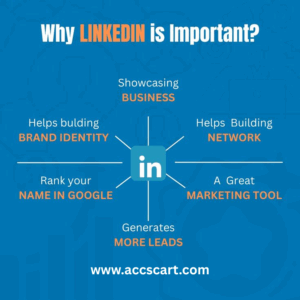
If you’re part of the growing LinkedIn gig economy, your profile isn’t just a digital resume it’s your personal landing page.
Here’s how to effectively optimize your LinkedIn profile as a freelancer or consultant in 2026:
1. Write a Headline That Sells Your Services
Your LinkedIn headline is one of the most important elements of your profile. Instead of just listing your title (e.g., “Freelancer” or “Consultant”), use this space to communicate what you do, who you help, and the value you provide.
Example:
“SEO Consultant Helping SaaS Brands Increase Organic Traffic | Freelance Growth Strategist”
“Remote Web Designer for Coaches & Creators | Fast, Mobile-First Websites That Convert”
This approach instantly shows prospects your niche and impact, a key factor in standing out in the competitive LinkedIn for freelancers space.
2. Craft a Value-Driven Summary That Highlights Freelance Experience
Your “About” section should go beyond your background it should tell your story and make the reader want to work with you. Highlight:
- Who you help and how
- The problems you solve
- Relevant results or achievements
- Freelance experience or niche expertise
Use a conversational tone and include a call-to-action (e.g., “Message me to collaborate,” or “Let’s talk about your next project”).
Since the LinkedIn gig economy prioritizes authenticity and specialization, a well-written summary is your first step to attracting meaningful leads.
3. Use Keywords to Rank in LinkedIn Search Results
LinkedIn functions like a search engine. Clients looking for freelancers often search for specific phrases such as:
- “Remote social media manager”
- “ECommerce email marketer”
- “Notion consultant for teams”
- “Tech blog writer”
To be visible in these searches, naturally include relevant keywords in your headline, summary, work experience, and skills sections. This increases your chances of appearing in search results when potential clients are browsing the LinkedIn gig economy for talent.
4. Key Profile Sections to Update
To fully optimize LinkedIn for freelancers, ensure these parts of your profile are current and compelling:
- Services Page: Enable and customize LinkedIn’s “Providing Services” feature. It allows you to showcase your offerings directly on your profile and appear in service-related searches.
- Featured Section: Add links to your portfolio, client testimonials, or content you’ve published. This acts as a visual proof of your skills.
- Experience & Projects: Clearly list your freelance roles with specifics on industries served, tools used, and outcomes achieved.
- Testimonials (Recommendations): Request reviews from past clients or collaborators. Social proof is powerful in the LinkedIn gig economy, especially when clients are choosing between multiple freelancers.
PRO TIP:
Your profile should clearly communicate:
1. Who you help
2. What you offer
3. Why you’re different
4. How someone can contact you
By approaching LinkedIn for freelancers as both a branding tool and lead magnet, you position yourself not just as a worker but as a valuable business partner in the freelance economy of 2026.
Smart Networking Tactics for Freelancers
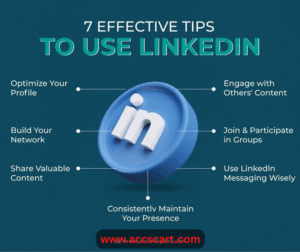
Networking is a cornerstone of success in the LinkedIn gig economy
Here’s how to network effectively without sounding like a spammer.
1. How to Connect Without Spamming
Instead of sending generic connection requests, personalize every invite.
Mention how you found the person, what you admire about their work, or why you’d like to connect.
In the LinkedIn for freelancers space, quality beats quantity genuine connections lead to conversations, and conversations lead to gigs.
2. Finding Potential Clients Using LinkedIn Filters and Groups
Use LinkedIn’s search filters to identify ideal clients by job title, industry, or location.
For example, if you’re a content strategist, look for “Content Managers” or “Marketing Directors.”
Join industry-specific groups where potential clients engage.
3. Leveraging the “Open to Work” Feature Strategically
While many freelancers avoid the “Open to Work” tag thinking it’s for job seekers, it can be tailored to showcase freelance availability.
Use custom titles like “Available for freelance writing” or “Hiring a remote SEO consultant?” to subtly advertise your services within the LinkedIn gig economy framework.
4. Engaging with Posts and Content in Your Target Industry
Regularly interact with posts shared by industry leaders, potential clients, and peers.
Thoughtful comments not just likes showcase your expertise and keep your profile visible.
In the LinkedIn for freelancers world, engagement often leads to discovery, profile visits, and eventual outreach.
Content Strategies That Build Trust and Authority
In the fast-growing LinkedIn gig economy, content is currency. For freelancers looking to earn trust and attract clients, strategic content creation can set you apart.
Here’s how to build your authority and grow your influence on LinkedIn:
1. Sharing Case Studies, Client Wins, or Lessons from Freelancing
Real-world stories resonate.
Share short case studies, screenshots of results, or lessons learned from your freelance projects.
This helps position you as credible and transparent two must-haves in the LinkedIn for freelancers space used by recruiters and job agencies.
2. Posting Regularly vs. Viral Attempts: What Works Best in 2026
Going viral isn’t necessary and often not sustainable.
In 2026, freelancers are seeing better results from consistent, niche-focused content. Aim to post 2–3 times a week on topics relevant to your ideal clients.
A steady presence builds familiarity, and familiarity builds trust in the LinkedIn gig economy.
3. Using LinkedIn Articles to Showcase Thought Leadership
For deeper insights or longer content, write LinkedIn articles.
These allow you to break down your process, share detailed opinions, or educate your audience on complex topics.
Thought leadership through articles shows you’re not just a service provider you’re a problem solver worth hiring.
4. Boosting Reach with Hashtags Relevant to the LinkedIn Gig Economy
Hashtags help expand your visibility beyond your network.
Use 3–5 relevant hashtags like #LinkedInForFreelancers, #GigEconomy, #RemoteWork, or niche-specific tags (e.g., #SaaSMarketing or #UXDesign).
Consistent hashtag use helps you become discoverable by clients actively browsing for talent in the LinkedIn gig economy.
Leveraging LinkedIn Features for Freelance Growth
LinkedIn continues to evolve with tools designed specifically for independent professionals. As part of the LinkedIn gig economy, freelancers can tap into several built-in features that help build visibility, attract clients, and showcase expertise.
Here’s how to use them effectively:
1. How to Use LinkedIn Services Pages
LinkedIn’s Services Page is designed for freelancers to list their offerings in a structured format.
Once activated, it appears on your profile and allows you to be found when users search for specific services like “SEO freelancer” or “business coach.”
2. Benefits of LinkedIn Newsletters for Solo Professionals
Newsletters on LinkedIn allow freelancers to publish long-form content and build a subscriber base directly on the platform.
Whether you’re sharing industry trends, behind-the-scenes insights, or niche strategies, newsletters help establish thought leadership.
3. Using LinkedIn Creator Mode to Attract Inbound Leads
Creator Mode unlocks several features designed to boost content visibility like featured hashtags, profile CTA links, and access to live video.
Turning this mode on signals that you’re actively building a personal brand, not just job hunting.
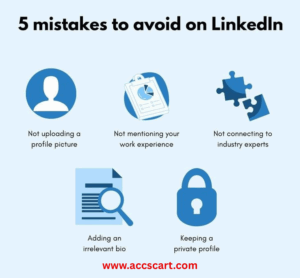
Common Pitfalls to Avoid on LinkedIn in 2026
Navigating LinkedIn successfully is crucial for freelancers thriving in the LinkedIn gig economy.
Avoid these common mistakes that can hinder your growth and visibility on the platform.
1. Over-selling or Looking Desperate
One of the biggest mistakes freelancers make on LinkedIn is coming across as too salesy or desperate.
Hard selling in initial interactions often turns potential clients away.
2. Ignoring Engagement Metrics and Not Adjusting Content
Posting content without analysing how your audience responds is a missed opportunity.
Track metrics like views, likes, comments, and shares to understand what resonates with your network.
3. Treating LinkedIn Like Instagram or Facebook
LinkedIn is a professional networking platform, not a casual social media site.
Many freelancers treat it like Instagram or Facebook by sharing overly personal content or irrelevant memes.
Final Thoughts
The key to success is consistent, strategic action whether optimizing your profile, engaging thoughtfully, or sharing valuable content.
Remember, treat your LinkedIn profile like a landing page for your freelance brand.
Every detail should reflect your expertise and invite potential clients to connect.
With the right approach, LinkedIn for freelancers can become your most valuable tool by even purchasing it from rights vendors for sustainable freelance growth.