







Learn how to spot fake Facebook accounts and make a safe Facebook PVA buy in 2026. Discover tips, tools, and best practices to protect your marketing efforts.
In 2026, the demand for Facebook PVA (Phone Verified Accounts) has reached an all-time high. With Facebook remaining a dominant platform for digital marketing, influencer outreach, and niche community engagement, many businesses and marketers are turning to PVA accounts to expand their reach and manage multiple campaigns efficiently.
That’s why making a Facebook PVA safe buy is more important now than ever. Knowing how to identify and avoid fake Facebook accounts can save you time, money, and potential damage to your digital reputation.
In this guide, we’ll break down exactly what to look for, how to spot red flags, and how to ensure you’re purchasing authentic, high-quality PVAs from trusted sources.
What Are Facebook PVA Accounts?
A Facebook PVA (Phone Verified Account) is a Facebook account that has been registered and verified using a unique phone number. This verification process adds an extra layer of authenticity to the account, making it appear more trustworthy in the eyes of Facebook’s security algorithms.
These accounts are especially valuable for users who need to manage multiple profiles or run ads across different niches, geographies, or target groups without being restricted by Facebook’s limitations on single-user activity.
Importance of Buying Quality, Authentic PVAs
Investing in high-quality PVAs is not just a matter of convenience it’s a matter of protecting your business and your digital assets. Poorly created or fake Facebook accounts can lead to:
- Instant bans or deactivations
- Wasted ad spend on restricted accounts
- Loss of credibility when accounts get reported
- Reduced trust from your audience if profiles appear suspicious
Risks of Using Fake PVAs
Using fake PVAs can lead to serious consequences for marketers, agencies, and business owners. Here are the most common risks:
- Account Bans and Suspensions
Fake accounts are more likely to be flagged by Facebook’s security systems, especially if they’re logging in from different IP addresses or engaging in suspicious behaviour. Once detected, these accounts are quickly disabled sometimes without warning.
- Wasted Advertising Budget
If you’re using a fake PVA to run Facebook Ads, you risk losing access to the ad account and your campaign data. Your ad spend can go to waste in seconds if the account is flagged or banned mid-campaign.
- Poor Engagement and Trust Issues
Fake accounts usually lack the real, organic interaction that’s essential for business growth. Whether you’re managing a page, posting in groups, or responding to comments, engagement from a low-quality account will look inauthentic and may hurt your brand’s reputation.
- Violation of Facebook’s Policies
Relying on fake PVAs may violate Facebook’s platform policies, putting your business at risk of being blacklisted or permanently restricted from using certain features, including ads, groups, or pages.
Choosing the wrong source for PVAs can destroy your efforts before they even begin. By staying informed and cautious, you can avoid falling into the trap of fake Facebook accounts and ensure your campaigns are built on stable, trustworthy foundations.
Key Signs of a Fake Facebook PVA Account
As the market for Facebook PVAs grows in 2026, so does the number of low-quality and fraudulent accounts circulating online. Whether you’re buying one or managing many, it’s critical to identify the warning signs that indicate you’re dealing with a Fake Facebook accounts. Spotting these red flags early can save you time, money, and potential platform penalties.
Here are the key indicators that a Facebook PVA account might be fake:
1. Incomplete Profiles or Suspicious Activity History
One of the most common traits of a fake PVA is an underdeveloped profile. This includes:
- Missing or minimal personal information
- No real posts or engagement history
- Empty timelines or activity that only begins after purchase
Legitimate Facebook users typically have a history of natural interactions, such as posts, likes, comments, check-ins, or shared content. If the profile looks “too clean” or appears to have been dormant until recently activated, it may be part of a batch of fake Facebook accounts created solely for resale.
2. Generic Profile Pictures and Unrealistic Names
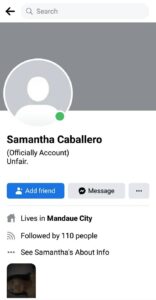
Another major red flag is the use of generic or AI-generated profile images. These are often:
- Stock photos or celebrity images
- AI-generated faces that look realistic but don’t match the account’s background
- Group photos with unclear identity
In addition, names like “John Smith” or “Anna Blue” with no logical connections to the listed hometown, workplace, or school can indicate automation or fake identity generation.
When aiming for a Facebook PVA safe buy, make sure the accounts have believable profile elements that mimic real users unique names, diverse photos, and natural-looking friend interactions.

3. Inconsistent Friend Lists or Sudden Behaviour Changes
Friend lists can reveal a lot about the authenticity of a PVA. Warning signs include:
- Friends all from one country while the account claims a different location
- Random or unrelated friend connections with no mutual friends
- Large spikes in friend requests or messages shortly after the account is delivered
Genuine accounts have organic growth patterns and steady interaction history. A safe Facebook PVA buy should include accounts that have been aged properly and used gradually to simulate real-world behaviour.
By understanding and recognizing these signs, you can better protect yourself from purchasing fake accounts that could jeopardize your Facebook marketing efforts. Always vet your seller and review account details carefully before making any commitment.
How to Make a Facebook PVA Safe Buy in 2026
Making a Facebook PVA safe buy in 2026 is about doing your homework, testing before trusting, and always choosing quality over price can lead for placing ads for your business. Remember: saving a few dollars on a sketchy deal may cost you significantly more in banned ads, lost accounts, and damaged reputation.
To help you avoid scams and wasted investments, here are some best practices to ensure a safe and successful PVA purchase in 2026.
1. Choose Trusted Sellers or Marketplaces
The first step toward a safe buy is selecting a reputable source. Not all sellers are equal, and many of the cheapest options online are also the riskiest. Trusted sellers typically:
- Specialize in social media accounts and offer detailed product descriptions
- Provide support, replacements, or warranties for non-working accounts
- Avoid bulk bots and emphasize manual or semi-manual account creation
Stick to established marketplaces, sellers with verified history, or providers recommended in credible communities (like digital marketing forums or subreddits). Avoid anonymous vendors or websites with no real customer service.
2. Verify Seller Reviews, Reputation, and Delivery Methods
Before purchasing, thoroughly investigate the seller’s reputation. Look for:
- Authentic customer reviews (not copy-paste testimonials)
- Active presence on social platforms or forums
- Clear explanations of delivery methods (email/password, recovery options, etc.)
Reputable providers will clearly state how accounts are created, the verification method used, and how they deliver the product. If the seller avoids questions or offers vague answers, it’s likely a red flag.
Avoid sellers pushing urgent, “limited time” bulk deals these are often used to offload low-quality or fake Facebook accounts quickly.
3. Ask for Samples or Test Accounts before Bulk Purchases
Before committing to a large order, always ask for one or two test accounts. A trustworthy seller will gladly provide samples or allow you to purchase a small quantity first. When testing accounts, look for:
- Unique phone verification (not reused numbers)
- Active profiles with posts, friend connections, or interactions
- Consistent behaviour that doesn’t trigger Facebook security
Testing helps ensure you’re not buying into a batch of low-quality PVAs that will get flagged as fake within hours.
4. Ensure Accounts Are Aged, Active, and Uniquely Verified
The best Facebook PVAs are not just verified they’re aged and active. These accounts have a usage history that makes them appear more authentic in Facebook’s algorithm. Here’s what to look for:
- Aged accounts: Accounts that are at least a few months old are more stable
- Active history: Some posting, likes, or profile activity before sale
- Unique verification: Accounts created using fresh phone numbers and individual IPs
If you’re buying accounts that were just created yesterday using public phone verification tools, you’re almost guaranteed to receive fake Facebook accounts that won’t last. Instead, ensure you’re getting accounts that were built and maintained to look and behave like real user profiles.
Final Thoughts
Avoiding fake Facebook accounts is critical if you want your marketing efforts to succeed in 2026. Low-quality PVAs can lead to bans, lost budgets, and damaged trust.
To make a Facebook PVA safe buy, stick with trusted sellers, verify account quality, use proper tools, and manage accounts carefully. Take your time, do your research, and never rush into bulk deals without testing first.
Smart choices today mean fewer problems tomorrow always prioritize quality over shortcuts.